Building a credible IP finance ecosystem – Insights from the SZTNH IP Valuation Workshop
Organised by the Hungarian Intellectual Property Office (HIPO), the IP Valuation Workshop brought together international and domestic experts to examine how the valuation of intangible assets can be made more transparent, more consistent and, crucially, more credible for the financial sector. The event highlighted a clear trend: the business relevance of intellectual property is growing faster than ever, yet its valuation still faces numerous challenges.
The central question of the 2 December workshop was how to conduct IP valuation based on reliable principles—valuation that can be presented credibly to investors, decision-makers and financial institutions. The topic is particularly timely, as intangible assets now account for the majority of modern enterprises’ total value, and the methodologies used to assess them remain among the most widely debated issues internationally. IP finance is a global hot topic, yet in practice, significant methodological and institutional challenges persits.

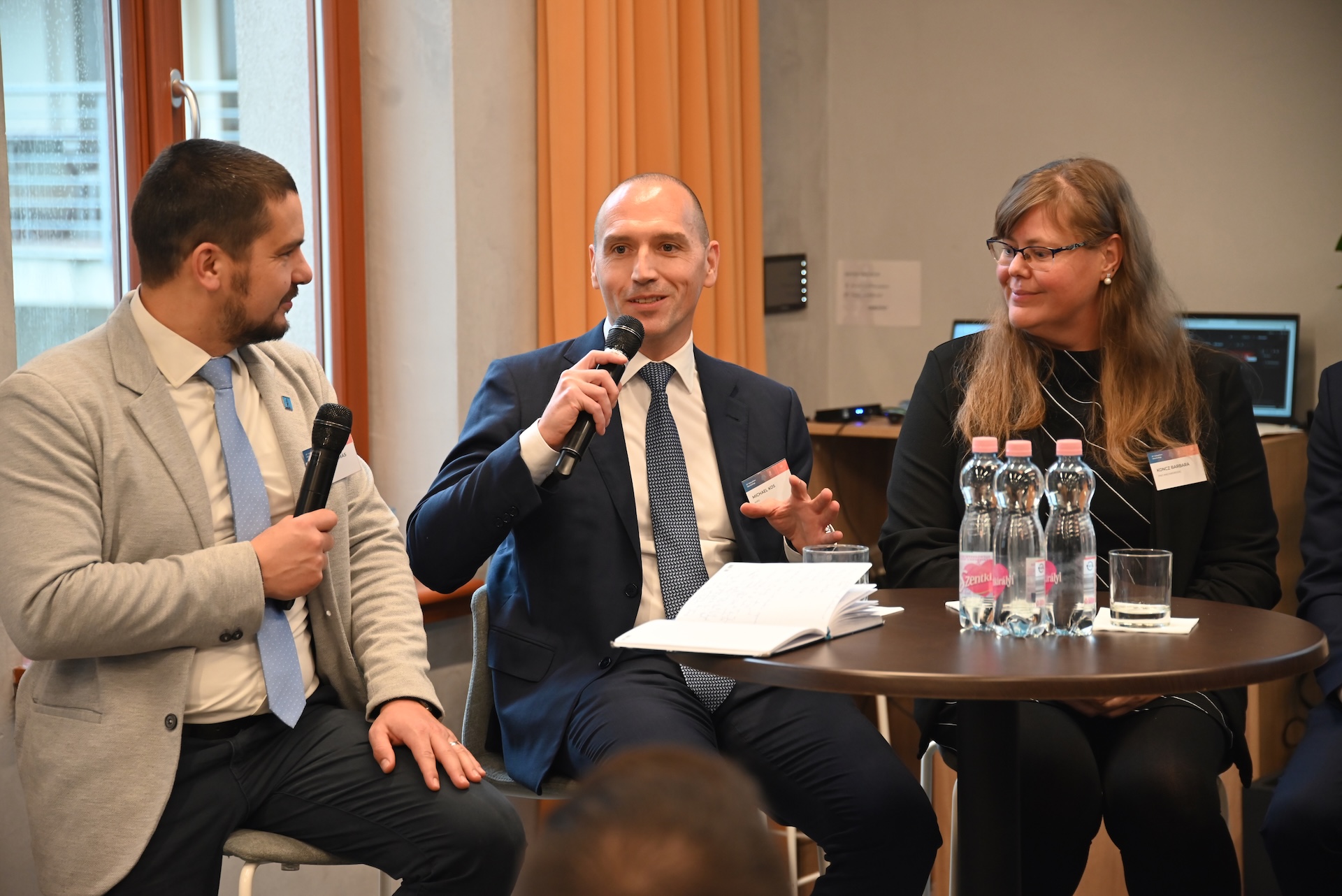
Szabolcs Farkas - President (HIPO)
With this workshop, HIPO aimed to demonstrate that IP becomes a true business asset only when its value is grounded not in assumptions or subjective estimates, but in transparent, objective and verifiable data. The event therefore showcased international best practices while also offering an in-depth overview of the current state of the Hungarian IP valuation landscape.
Valuation is not a template - it is a purpose-driven professional process
Participants agreed that IP valuation is always tied to a specific business objective, whether it involves an M&A transaction, a licensing agreement, a start-up exit, a financing decision, damages in infringement litigation, or transfer pricing documentation. Because valuations may target widely different types of IP assets, they must be based on international valuation standards that provide a framework rather than a one-size-fits-all solution. As several speakers emphasised, there is no single method suitable for all cases—each valuation must be tailored to the purpose, the context and the specific IP asset.

Minshad Ansari - CEO (Bionema)
Success, however, does not rest solely with valuation experts. Companies must treat their IP as a business asset from the moment it is created, supported by proper documentation and internal processes. Without this foundation, even the most rigorous methodology cannot deliver reliable results. The case of Bionema, acquired by Syngenta, illustrated this point clearly: transparent and well-documented IP was one of the key elements that enabled the successful transaction.
From WIPO to NatWest: international guidance and real-world models
One of the workshop’s key conclusions was that breakthrough progress in IP valuation requires ongoing dialogue and cooperation among government, expert and industry stakeholders. International examples provide strong guidance: the World Intellectual Property Organization (WIPO) plays a pivotal role in facilitating communication between stakeholders and initiating potential pilot projects, while the International Valuation Standards Council (IVSC) supports the consistent application of global valuation standards and is engaged in major international efforts to develop guidance on valuing intangible assets.
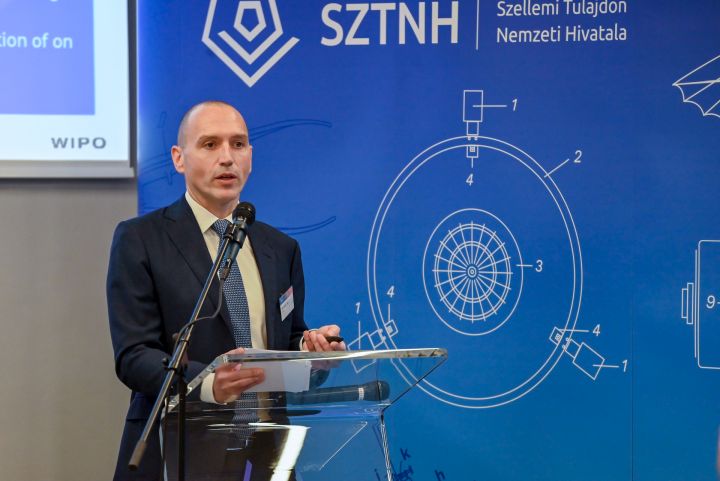
Michael Kos - WIPO IP and Innovation Ecosystems Sector, IP Finance and Valuation Specialist
There are also functioning models already in place. In the United Kingdom, IP finance operates on a market basis, well demonstrated by the cases presented by NatWest Bank. Singapore, meanwhile, has built a robust and well-functioning IP valuation ecosystem through coordinated collaboration between public and private sector actors.
Where does Hungary stand today?
Hungary’s current IP valuation practice is still far from operating at the level seen in leading international examples. While there are promising cases—such as valuations enabling tax savings or helping secure favourable outcomes during exits—many companies continue to record their IP at zero value, typically due to risk-management considerations. Banks generally do not accept IP as collateral, and investors rarely explore the potential revenue streams it may generate.

Vivien Róka - Director (PwC)
Professional valuation, however, does more than quantify value; it reflects as key element of business value and as well as risks associated with IP, thereby strengthening investor confidence.
The workshop made it clear that genuine dialogue has begun between the IP profession, investors, valuation advisors and the financial sector. Several participants described the event as “a real breath of fresh air,” underscoring a strong demand for shared thinking. HIPO’s proactive role signals a firm commitment to strengthening IP valuation and foster financing in Hungary and to building a functioning ecosystem.

Levente Pethő - IP Management Consultant and IP valuation expert at (Danubia Group)
The long-term goal is to ensure that IP valuation provides a solid foundation for establishing a viable domestic IP finance framework.